
Packing Tips for Moving in Dubai: 12 Hacks the Pros Use in 2026
Packing is the part of a move everyone underestimates. Done well, it protects your belongings and makes unpacking effortless. Done badly, it leads to broken glassware, missing fittings, and boxes you cannot lift. These packing tips for moving in Dubai bring together the hacks professional movers and packers in Dubai actually use, so your 2026 move is faster, safer, and far less stressful.
Start With the Right Materials
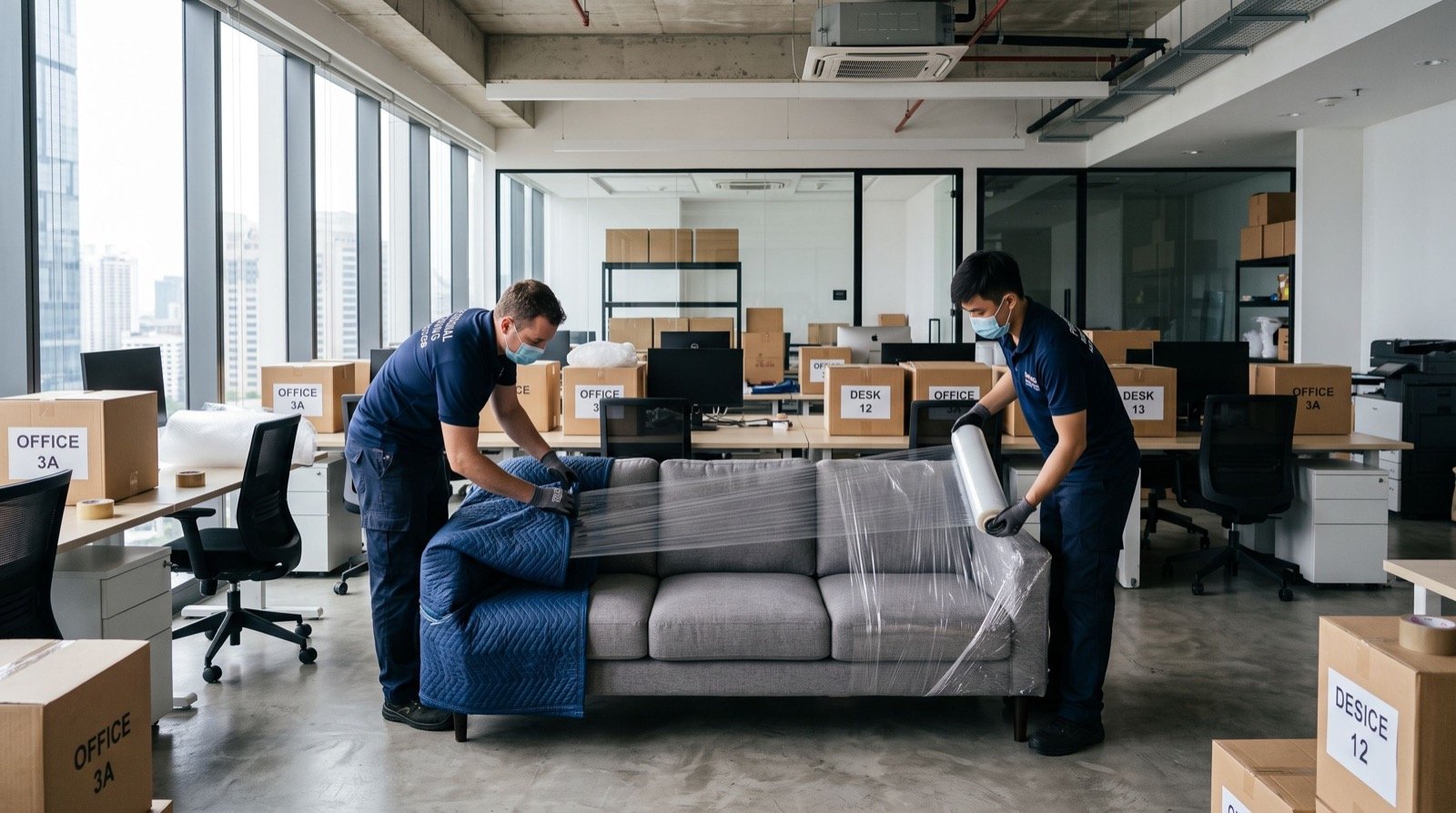
Good packing begins with good supplies. Skimping here is the number one cause of damage. Gather these before you start:
- Double-wall boxes in small, medium, and large sizes
- Bubble wrap and packing paper (newspaper ink can stain)
- Strong tape and a proper tape gun
- Stretch film for drawers and furniture doors
- Permanent markers and colour-coded labels
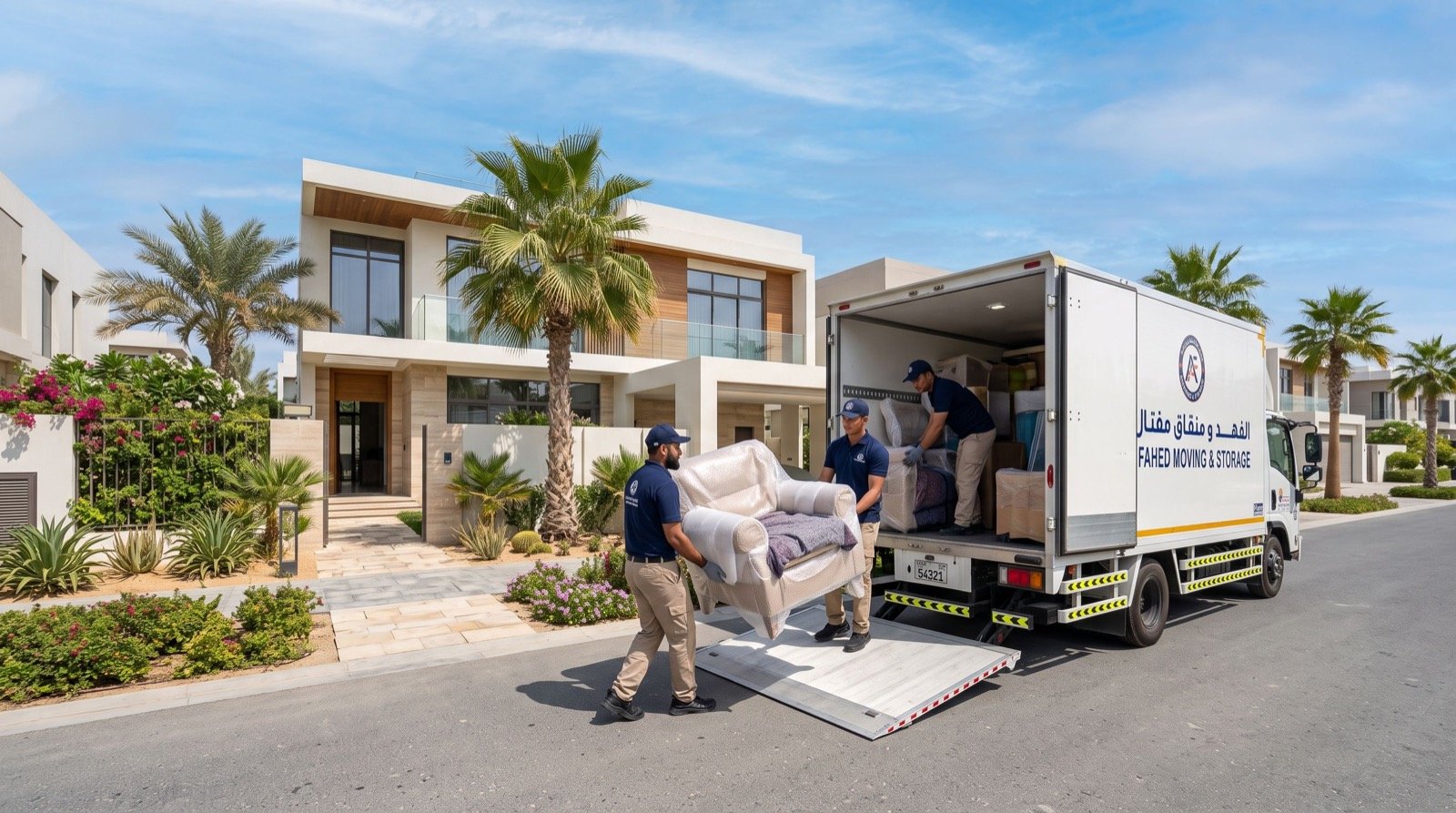
When a move is large or time is tight, many residents simply hire professionals. Families in established neighbourhoods often book furniture movers Mirdif teams for the heavy pieces, while others bring in full-service movers and packers in Dubai to handle the entire home from start to finish.
12 Pro Packing Hacks
- Pack room by room. Finish one space before starting the next to stay organised.
- Heavy items in small boxes. Books go in small cartons; pillows in large ones.
- Fill every gap. Empty space lets items shift and break in transit.
- Label on the side, not the top. Side labels stay visible when boxes are stacked.
- Colour-code by room. A quick glance tells the crew where each box belongs.
- Photograph electronics. Snap the cable setup before unplugging anything.
- Use clothing as padding. Wrap fragile items in towels and jumpers to save on bubble wrap.
- Keep screws with their furniture. Bag fittings and tape them to the piece.
- Pack plates vertically. On edge, like records, they resist pressure better than stacked flat.
- Seal liquids in plastic. Cover bottle openings with cling film before capping to prevent leaks.
- Keep an essentials box. Documents, chargers, and toiletries travel with you.
- Do not overfill. If you cannot lift it comfortably, redistribute the weight.
If the job feels overwhelming, an experienced local team can pack an entire home in a fraction of the time, with materials and technique that keep everything safe.
How Should You Pack Fragile Items?
Fragile items need the most attention. Follow these rules:
- Wrap each glass and plate individually in paper or bubble wrap.
- Cushion the bottom and top of the box with crushed paper.
- Mark the box “FRAGILE” on multiple sides.
- Never mix heavy and fragile items in the same carton.
- Transport mirrors and framed art upright, never flat.
Packing Timeline: What to Pack When
| Timeframe | What to Pack |
|---|---|
| 2 weeks before | Off-season clothes, books, decor, garage items |
| 1 week before | Kitchen extras, spare linens, non-daily electronics |
| 2 days before | Most kitchenware, remaining clothes |
| Moving day | Essentials box, bedding, daily toiletries |
Eco-Friendly Packing in 2026
Sustainable moving is easier than ever. Reuse boxes, choose recyclable paper over plastic where possible, and donate unwanted items instead of binning them. The UAE actively promotes recycling and waste reduction; you can read about national sustainability initiatives on the UAE Government portal, which outlines how residents can recycle packing materials responsibly after a move.
Packing the Trickiest Items
Some belongings defeat even careful packers. Here is how the professionals handle the items that cause the most damage and frustration.
Wardrobe and Clothing
Use wardrobe boxes with a hanging rail so garments move straight from the closet without folding. For everything else, roll clothes instead of folding to save space and reduce creasing.
Electronics and Cables
Keep each device’s cables in a labelled bag taped to the unit. Pack screens upright in padded boxes, never flat, and use the original packaging whenever you still have it.
Artwork and Mirrors
Tape an X across the glass to contain shattering, wrap in bubble wrap, and stand the piece on its edge in the truck. Never lay framed art flat, as weight on top will crack it.
Smart Labelling System
A good labelling system turns a mountain of identical boxes into an organised unpack. Try this approach the professionals use:
| Colour | Room | Priority |
|---|---|---|
| Red | Kitchen | Unpack first |
| Blue | Bedrooms | Unpack first |
| Green | Living room | Day two |
| Yellow | Storage / garage | No rush |
Pair each colour with a number and keep a master list. When box “Red 4” goes missing, you know instantly what it held and where it belonged. This small habit saves hours of searching on the other side.
One Hack Most People Miss
Take a photo of the inside of each box before you seal it. On moving day, a quick scroll through your phone tells you exactly what is inside without opening a thing, which is invaluable when you are hunting for one specific item among dozens of cartons.
Frequently Asked Questions
How many boxes do I need for a move?
A one-bedroom home needs roughly 20 to 30 boxes, while a three-bedroom villa can require 60 or more. Gather a mix of sizes and keep a few spares.
When should I start packing?
Begin two weeks out with items you rarely use, then work toward daily essentials. Progressive packing avoids the stress of a last-minute rush.
Should I hire packers or do it myself?
DIY packing saves money for small moves. For larger homes or fragile-heavy households, professional packers protect your items and save significant time.
How do I stop boxes from getting too heavy?
Put heavy items such as books in small boxes and light items in large ones. If you cannot lift a box comfortably, redistribute the contents before sealing it.
Unpacking Without the Overwhelm
Smart packing pays off most at the other end. With a colour-coded, numbered system, unpacking becomes a calm, logical process rather than a frantic hunt through identical boxes. Follow this order to settle in fast.
- Essentials box first. Chargers, toiletries, and documents come out before anything else.
- Bedrooms and bathrooms. A made bed and a working shower make night one comfortable.
- Kitchen. Unpack daily-use items so you can cook rather than rely on takeaways.
- Living areas. Furniture and electronics go next, guided by your photos.
- Storage and decor. Leave the low-priority yellow boxes until last.
Break the empty cartons down as you go so clutter never builds up, and recycle them responsibly once the home is set. A tidy, staged unpack keeps the final phase of your 2026 move as stress-free as the packing itself.
Final Thoughts
Smart packing is the foundation of a smooth move. Start with quality materials, pack room by room, protect fragile items properly, and keep an essentials box with you. Whether you handle it yourself or call in professional movers and packers in Dubai, these 2026 hacks will protect your belongings and make unpacking in your new home a breeze.